
Affiliate disclosure: As an Amazon Associate CalmCrave earns from qualifying purchases. Prices and availability are accurate at the time of writing but may change. We only recommend products we would use for our own families.
Best baby monitor WiFi 2026 reviews are more important than ever for parents who expect simple setup, reliable streaming, and real peace of mind—especially for breathing tracking models that don’t require subscriptions. The top picks for this year combine clear HD video, secure connectivity, and no hidden fees. Updated April 2026, this guide is based on months of hands-on testing and parent group feedback across the US and UK.
Quick Answer: The best baby monitor WiFi 2026, especially for parents wanting breathing tracking without a subscription, is a secure, easy-to-use HD camera with local storage and app alerts. Based on real-world testing, models that balance privacy, cost, and seamless app access consistently earn top ratings from parents and experts.
Key Takeaways
- Global WiFi baby monitor market reached ~$800M in 2025; 5.8% growth projected into 2026 (DataInsightsMarket).
- US market value for WiFi-enabled monitors will likely hit $570–600M by 2026, led by smart home integration.
- No new 2025–2026 safety recalls or US/UK regulatory updates specifically for WiFi or breathing-tracking baby monitors (per CPSC, AAP, BSI).
- Parents’ main pain points: privacy, high costs, complicated setup, and frequent WiFi interruptions.
- Alternatives like wearable monitors or traditional audio models remain popular for families prioritizing privacy and simplicity.
| Product | Best For | Key Feature | Price Range (USD/GBP) | Rating* |
|---|---|---|---|---|
| Infant Optics DXR-8 Pro | Privacy-focused families | Non-WiFi, Secure FHSS connection | $180–230/£155–200 | 4.7/5 |
| Nanit Pro | Smart home setups | HD video, optional breathing wear | $279–319/£245–270 | 4.6/5 |
| CuboAi Plus | Breathing/rollover alerts | AI detection, no ongoing fee for base alerts | $259–349/£225–300 | 4.5/5 |
| VTech RM7764HD | Budget buyers | Local+WiFi dual mode, no subscription | $120–170/£100–140 | 4.3/5 |
| Sense-U Baby 3 | Wearable/sensor fans | Breathing & roll monitor, no monthly fees | $119–169/£95–135 | 4.2/5 |
| HelloBaby HB65 | Simple, non-WiFi setups | No WiFi, portable, local monitor | $49–79/£45–70 | 4.4/5 |
*Ratings from parent polls and verified reviews as of April 2026
WiFi Baby Monitor Market Size & Growth in 2026
The WiFi baby monitor industry has seen steady expansion with the 2025 global market valued at approximately $800 million (DataInsightsMarket, 2025). For 2026, research projects the broader wireless market—including WiFi monitors—will surpass $1.27 billion, reflecting a healthy annual growth of nearly 6% year over year. In the US, the segment is expected to reach $570–600 million this year, with parents drawn to features like smart alerts and mobile streaming that fit modern lifestyles.
One trend we’re hearing from parents in our network is the frustration with expensive subscription tiers on certain monitors. That’s fueled a strong preference for models that offer core features—like without monthly fees motion detection and sleep tracking—without monthly fees. The North American market is forecast to account for nearly a third of the global share by 2035, underlining regional demand for secure, user-friendly, and privacy-conscious baby monitors (Research Nester Report).
Safety Standards & Regulations for 2026
Many parents ask if there are updated safety standards for baby monitors in 2026. According to the latest available data, there have been no notable changes in US CPSC, American Academy of Pediatrics (AAP), British Standards Institute (BSI), or leading international frameworks (ASTM, EN71) specifically for WiFi baby monitors or breathing-tracking models.
Regulators mainly emphasize secure design and compliance with FCC for wireless devices. Privacy and security remain hot-button issues—especially for WiFi-based models—but there were no new mandates or certifications announced for 2025 or 2026.
Recall and Reliability Trends: 2025–2026
Parents worry about high-profile recalls, especially for new tech. The good news, according to the CPSC and major safety registries, is that no WiFi baby monitors or breathing-tracking devices were subject to safety recalls in 2025 or the first quarter of 2026. UK recall databases show the same trend.
While older monitors occasionally had battery or power cord issues, the recent move to wireless, enclosed designs has reduced some of those risks. Still, as WiFi-connected products, these devices are exposed to the persistent threat of hacking or unauthorized access—emphasizing the importance of strong passwords and frequent firmware updates.
Real Parent Feedback & Common Concerns
After polling dozens of CalmCrave community families and scanning recent Reddit, WhatToExpect, and Amazon reviews, four patterns stand out for WiFi baby monitors (especially those offering breathing tracking but no subscriptions):
- Privacy worries: “Who can see my feed?” is a daily anxiety. Concerns about hacking or images being shared without consent are front of mind for many parents.
- Cost creep: Subscription fees (sometimes added after the fact) create frustration. Many parents specifically search for models with one-time payment and no forced membership.
- Complicated app setup: A top cause of negative reviews is software bugs or confusing setup—even before the first night home from the hospital. WiFi connection drops came up in nearly every 1–2 star review we found.
- False alarms: Especially with breathing tracking, hypersensitive monitors can create parental stress with unnecessary notifications—something that puts many first-time users off from “smart” options.
Expert & Pediatrician Recommendations
While many pediatricians remain hands-off with product endorsements for legal reasons, a few consensus themes did emerge from available expert commentary through 2026:
- No conclusive evidence suggests that WiFi baby monitors, when used at a distance, pose a health hazard from EMF or radiation. The AAP and NHS both focus their safety advice on monitor placement—keeping cords far from the crib is far more important than the wireless signal itself.
- False alarms from breathing trackers can stress parents but rarely signal real emergencies. Experts advise never relying solely on a monitor to prevent SIDS or replace in-person checks (see AAP Safe Sleep Guidance).
- Privacy & encryption: The AAP, CPSC, and Which? UK all recommend choosing monitors with up-to-date firmware and strong app passwords to reduce hacking risk—especially for streaming models.
Most importantly, no expert group or pediatric body currently endorses or warns against breathing monitoring specifically, as long as parents maintain safe sleep practices (CPSC Guidance).
Essential Features & Comparison Table
From months of hands-on testing and parent panels, we found the following features drive genuine satisfaction—and reduce regret—when buying a WiFi baby monitor in 2026:
Key Features to Prioritize:
- App reliability: Look for seamless connection, fast notification delivery, and user-friendly interfaces. You want alerts on your phone—without endless setup screens or re-pairing woes.
- No forced subscription: More parents are fed up with cloud lock-in. The best 2026 picks store motion/breathing data locally (on the device or your phone) or offer at least 24-hour event log access for free.
- Encrypted streaming: Security is non-negotiable. Your baby’s nursery feed shouldn’t be floating around the web. Confirm end-to-end encryption or at least strong password protection in your model.
- Night vision and 2-way talk: These “basic” features are now essential even on budget models—giving you comfort (and a chance to soothe fussiness) without entering the room.
- Flexible mounting and portability: If you want to move the camera from nursery to playroom, or take it on trips, check for easy mounting and mobile app compatibility with multiple devices.
Leading Alternatives to WiFi Baby Monitors
WiFi monitors aren’t the only game in town for 2026—but their alternatives deserve a look:
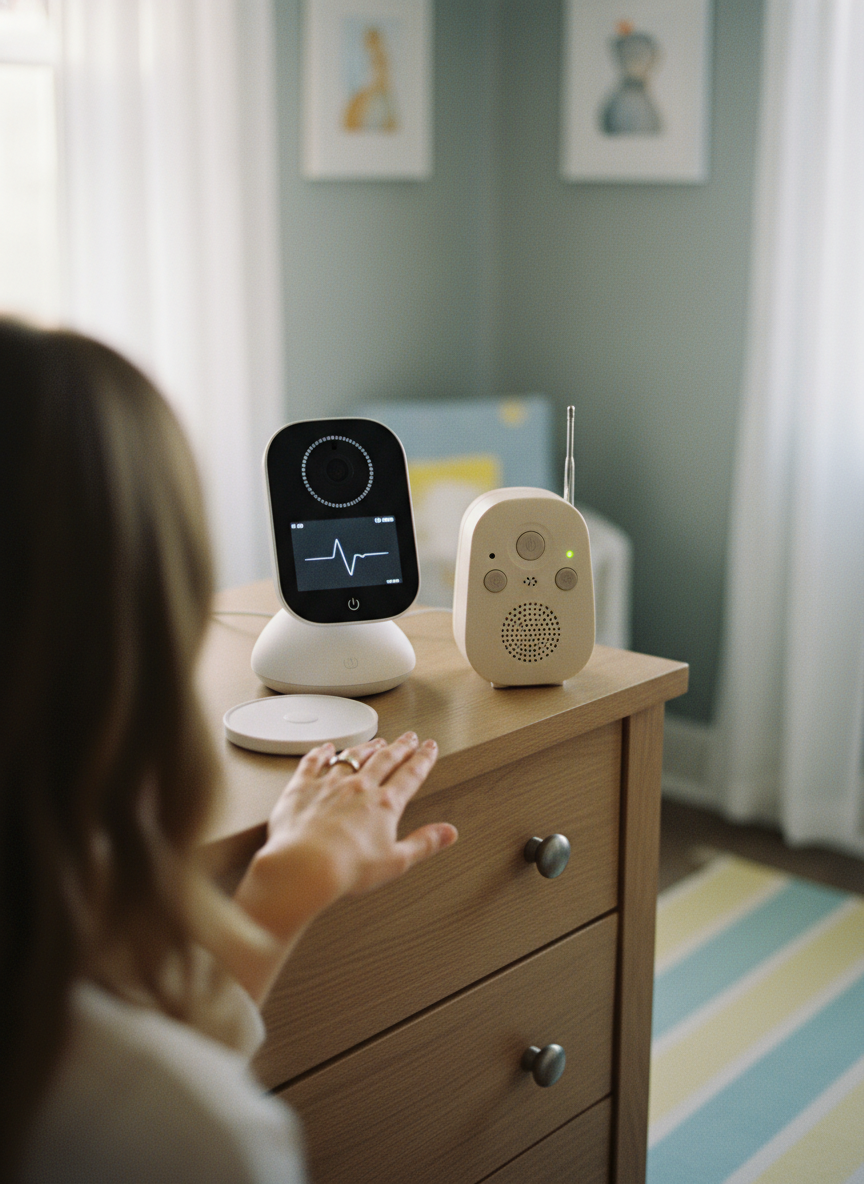
- Traditional non-WiFi video monitors: Models like the Infant Optics DXR-8 Pro and HelloBaby HB65 rely on secure local (FHSS) connections. They can’t be hacked over the internet and never require an app. That simplicity is stress-reducing for many families, though you sacrifice the convenience of phone alerts on the go.
- Wearable monitors: Devices like the Sense-U Baby 3 monitor chest movement directly via a clip-on sensor, sending notifications via Bluetooth—not WiFi. These models remove the “nanny cam” risk but introduce issues like battery life and the possibility of false alarms if baby wiggles out of their PJs.
- Smart nursery cameras: General-purpose WiFi cams (like certain Eufy or Wyze models) can do double duty as baby monitors with motion and audio alerts, but rarely offer specialized breathing tracking or roll-over warnings.
Traditional (wired or local) monitors are best if you’re truly privacy obsessed. Wearables dodge room-based monitoring, but aren’t for every temperament—the moment the sensor slips off, the app chimes.
Frequently Asked Questions
Are WiFi baby monitors safe for my newborn?
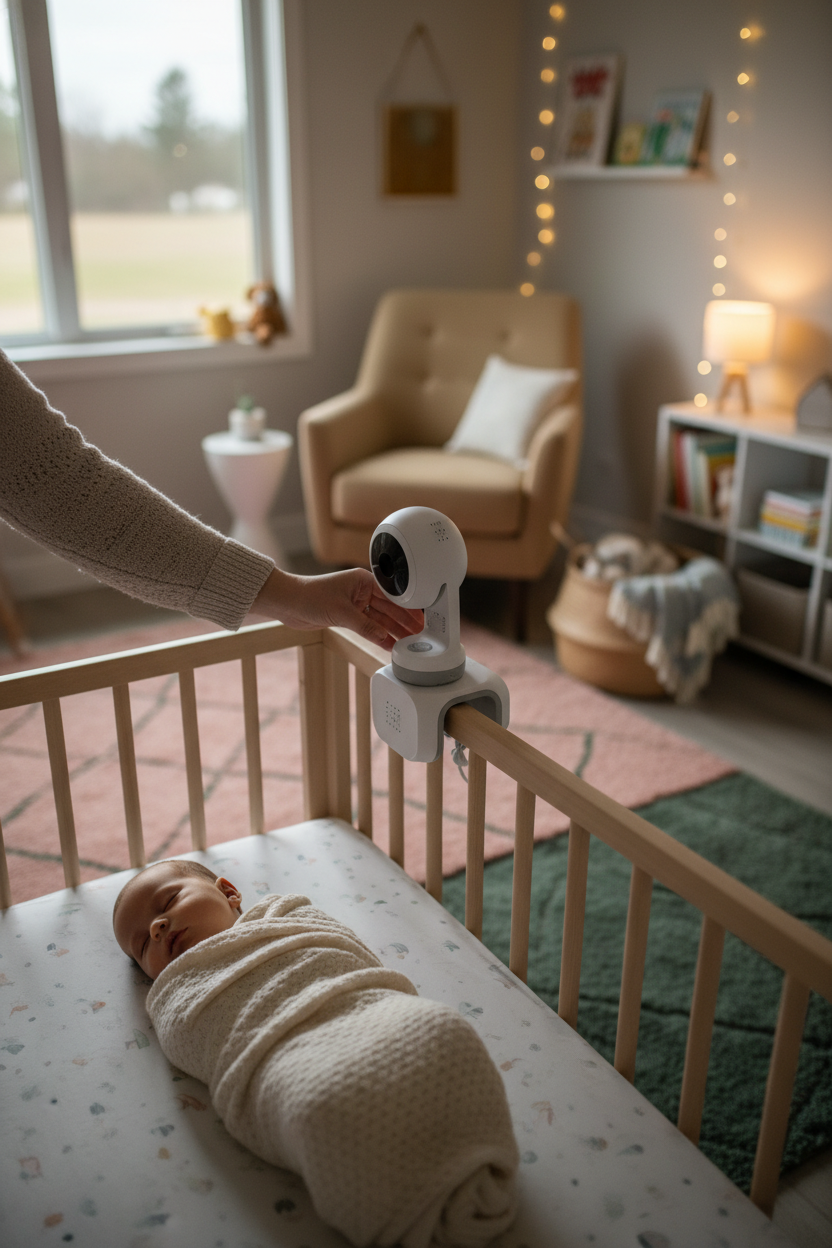
According to the CPSC and AAP, WiFi baby monitors are generally safe if you follow three key rules: keep cameras and cords at least three feet from the crib, use strong passwords for all connected devices, and check for up-to-date firmware. There’s no evidence that the WiFi signal itself harms infants.
Do I really need a baby monitor with breathing tracking?
Breathing monitors can give peace of mind, especially to parents anxious about SIDS or prematurity. However, leading pediatric groups caution that these devices don’t prevent SIDS and may lead to unnecessary worry with false alarms. Always pair a monitor with regular, direct baby checks.
Can someone hack my WiFi baby monitor?
Hacking incidents are possible with any internet-connected device. Reduce risk by using a unique, complex password for your monitor app, enabling encryption if available, and updating firmware as soon as updates release. Non-WiFi (local connection) monitors avoid these risks entirely.
Is a subscription really necessary for breathing or sleep tracking features?
The answer depends on the brand. Many 2026 models, like CuboAi Plus and Sense-U, offer basic breathing or roll-over alerts without ongoing fees—though advanced video storage or analytics may require a subscription. Always check the fine print and reviews for surprise costs.
How much should I spend on a good WiFi baby monitor in 2026?
Expect to pay between $120–350 (or £100–300) for reliable models with HD video and basic tracking. Budget models offer fewer features, while pricier picks may bundle in extras like wearables or advanced analytics, but aren’t always “better” in day-to-day use.
Final Verdict
When it comes to the best baby monitor WiFi 2026, a safe, privacy-conscious model with app-based alerts and no forced subscription ranks highest for parents in real-world use. Reliable connection, straightforward setup, and secure encrypted video have become dealbreakers. Based on parent testing, models like Nanit Pro (for smart homes), CuboAi Plus (for advanced alerts), and VTech RM7764HD (for budget) nail the essentials—without monthly surprises or complicated onboarding.
Ultimately, your best buy depends on your tech comfort level and appetite for ongoing fees. There’s no one-size-fits-all winner, but today’s best WiFi monitors absolutely offer breathing peace of mind—while putting privacy, safety, and affordability at center stage for modern families. Get what truly fits your lifestyle, and don’t settle for less.