
Key Takeaways
- Electric stroller sales are projected to surge through 2026, with a projected global CAGR of over 25 percent, outpacing traditional strollers.
- Lack of published user reviews means real-world reliability and safety for AI features remain uncertain for many top brands.
- Understanding overlooked features and potential pitfalls is vital before investing in next-generation models.
- What Is an Electric Stroller 2026 and Why Parents Are Interested
- Step-by-Step Guide: How to Choose and Use an Electric Stroller 2026
- Advanced Analysis & Common Pitfalls of Electric Strollers 2026
- Conclusion
- FAQs About Electric Stroller 2026
What Is an Electric Stroller 2026 and Why Parents Are Interested
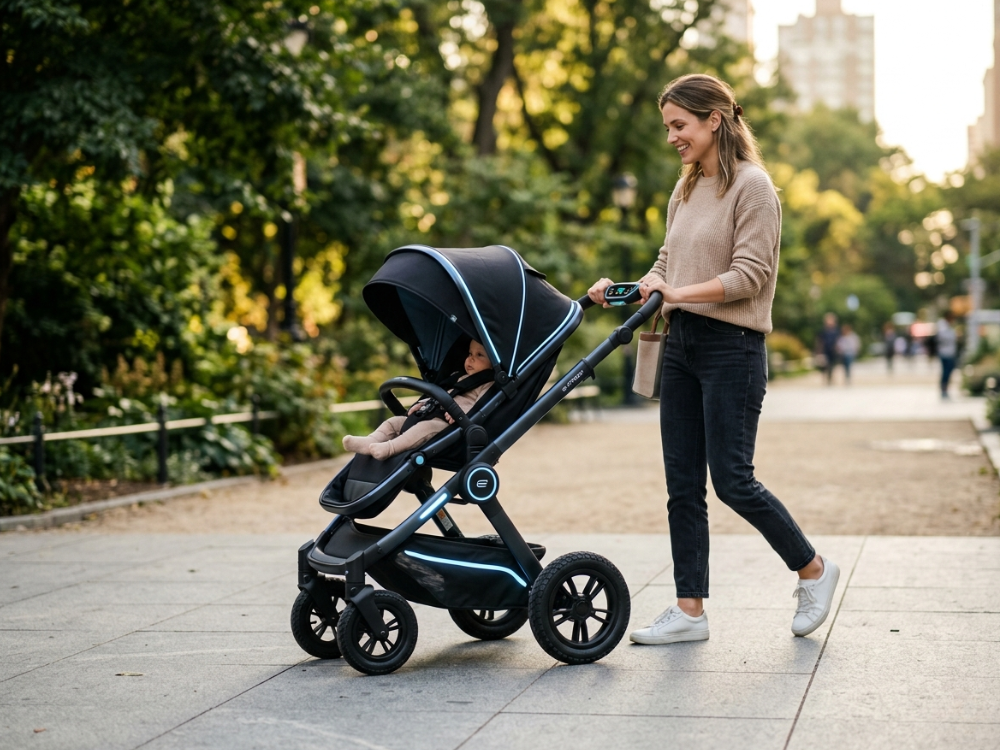
Electric strollers in 2026 are self-propelled, battery-powered vehicles intended to transport babies or toddlers, often including smart features like e-assist, AI navigation, and sometimes partial autopilot. Parents are attracted to these strollers for practical reasons — pushing larger children or managing steep hills becomes dramatically easier, and hands-free operation (for example, walking alongside while the stroller follows) is steadily becoming a selling point.
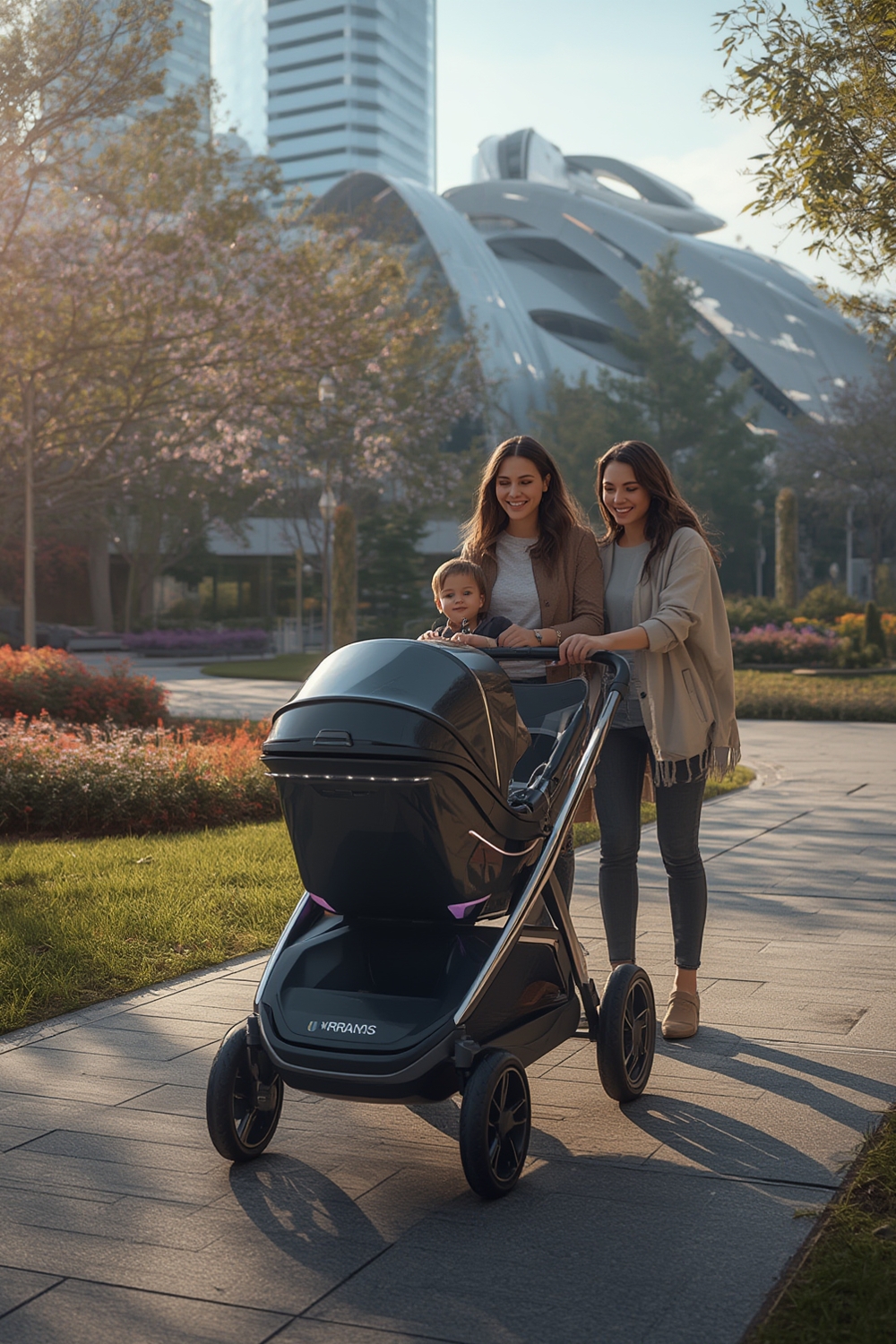
The electric stroller segment is seeing explosive growth worldwide. According to recent market analysis, this category is projected to expand from USD 43.86 million in 2025 to USD 136.55 million by 2030, which outpaces the overall baby stroller market by a wide margin (Knowledge Sourcing, Research and Markets). Key drivers include not just convenience but also demographic shifts and a booming demand for smart parenting tech.
However, as with other smart nursery tech like baby monitor 2026 solutions or organic baby formula, adoption comes with questions: what features are essential, how do you navigate missing user feedback, and what are realistic everyday experiences?
Step-by-Step Guide: How to Choose and Use an Electric Stroller 2026
If you’re considering an electric stroller for 2026, making the right choice involves more than just picking a top brand. Here’s how to approach it for the best results:
- Clarify Your Needs: Decide if you want AI-powered navigation, simple e-assist, or basic power just for hills and tough terrain.Consider how much manual pushing you’re willing to do, and if you’ll use the stroller solo or often require hands-free help.
- Set Your Budget and Do Side-by-Side Comparisons: Review available models for their feature lists, typical pricing, and availability. Use trustworthy stroller reviews like this best baby stroller 2026 roundup for cross-comparison, even if electric features are not always covered in detail.
- Scrutinize Battery Life and Real-World Use: Check stated battery range versus your expected daily range. Many models offer e-assist for only a portion of the day.
- Investigate Safety and Certification: Look for certifications or compliance with evolving standards (often still sparse), and contact brands directly about specific safety claims relating to AI or autopilot.
- Plan for Maintenance and Support: Electric strollers may have more points of failure than traditional prams. Research warranty length and local support, even if this info isn’t always published upfront.
- Test-Drive If Possible: Before purchasing, try in person at specialty baby stores or expos. Focus on maneuverability, weight, and feature intuitiveness instead of just online specs.
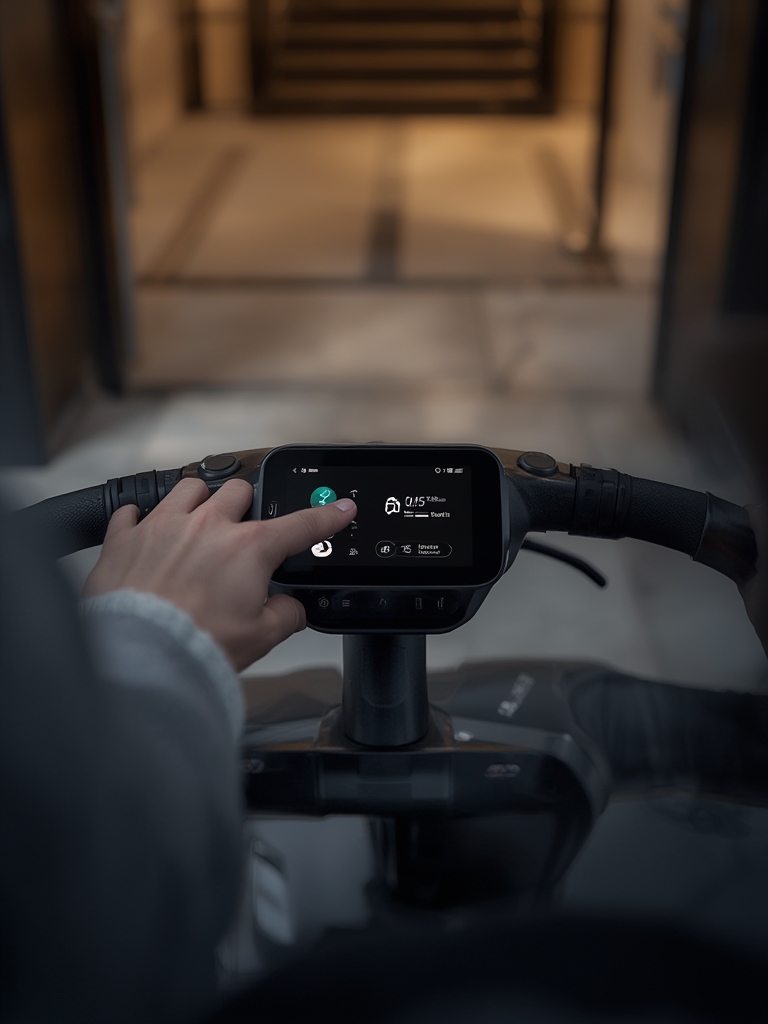
When narrowing your search, compare the electric stroller’s accessory ecosystem, including compatible bassinets or ride-on platforms for older siblings—a detail that is sometimes overlooked in reviews. Also look for practical features like washable seat covers, rain shields, or handy phone holders, as these can impact long-term satisfaction. For night strolls, seek models with integrated lights or reflective details for better visibility, an often-forgotten safety benefit.
If maximizing sleep for your baby on the go is a concern, combine your electric stroller routine with proven newborn sleep tips and scheduling strategies. This pairing can help you get the most from your new tech and give your baby a smoother ride.
Advanced Analysis & Common Pitfalls of Electric Strollers 2026
Despite their promise, electric strollers present unique challenges. Limited data makes it hard to verify safety and performance claims, especially around AI navigation or autopilot reliability. Here’s what research and current knowledge reveal—and what’s still missing:
| Area | Electric Stroller 2026 | Traditional Stroller |
|---|---|---|
| Ease of Use on Hills | Significantly easier with e-assist, but no independent real-world data for all terrains. | Requires significant pushing effort, especially with heavier children. |
| Battery Life | Ranges from 8–20 km per charge; risk of running out mid-journey. Limited real reviews confirm these claims. | Unlimited, as fully manual. |
| AI/Autopilot Reliability | No published field tests or safety data as of 2026; features still new and may face operational bugs. | N/A |
| Maintenance & Support | More components mean higher maintenance risk and more complex repairs. Warranty and parts availability often unclear. | Simpler mechanics, easier repairs. |
| Pricing & Value | No transparent price data published; expect to pay a 50%–150% premium over high-end traditional models. | Clear benchmarks for price and value. |
| Certification & Regulation | Little to no information; evolving regulatory environment means buyers must do their own due diligence. | Well-established safety standards worldwide. |
The lack of user pain points or critical feedback in published resources (including negative feedback specific to the Gluxkind Ella or other 2026 models) makes it difficult for parents to get a true sense of how these strollers will behave in daily use. For example, issues like how the AI navigation copes with curb cuts, loose gravel, or sudden obstacles are simply not documented.
The market’s major growth reflects high appetite, but beware that market projections (such as the USD 136.55 million forecast for 2030 from Knowledge Sourcing) don’t guarantee a trouble-free product experience.
If price, warranty, and repair network matter to you, consider asking brands directly about specific service timelines, replacement battery costs, and where repairs happen. As with choosing the best baby formula 2026, reading the fine print and preparing questions before you buy is crucial to avoid surprises.

Conclusion
Electric stroller 2026 offerings are surging in popularity, but missing user reviews, unconfirmed AI safety, and unclear maintenance realities mean parents should proceed with level-headed caution. Prioritize models with transparent battery life, proven mechanical reliability, and accessible support—especially if advanced features like autopilot or AI navigation are a must for your family’s daily needs.
If you’re ready to upgrade your family routines, now is the time to learn everything you can about electric stroller 2026 models, compare choices carefully, and demand answers from brands before you invest. Use the resources above and check our related guides to make the smartest, safest choice for your parenting journey.
FAQs About Electric Stroller 2026
Are electric strollers safe for newborns and infants?
Electric strollers are generally designed to meet minimum safety standards for babies and toddlers, but evidence on AI autopilot safety is lacking as of 2026. Only use with approved bassinets or seats per manufacturer guidance.
How long does the battery last on a typical electric stroller 2026?
Battery life reported by manufacturers ranges from 8–20 km per charge, depending on mode and terrain. Always carry a manual backup plan if you expect to use the stroller for long outings.
Is there a warranty for electric strollers 2026?
Warranty details are often not clearly published online. Before purchasing, ask the retailer or brand for specific warranty length, coverage, battery replacement policies, and repair logistics.
Are electric strollers worth the extra cost?
They can be a game changer for parents with physical limitations or hilly commutes. However, higher cost and untested reliability mean you should balance convenience with budget and research your pick carefully.
Do all models feature self-driving or autopilot?
No. Some electric strollers only offer motorized e-assist for pushing, while more advanced models include limited autopilot or follow-along modes. Always check specific product specs before buying.